
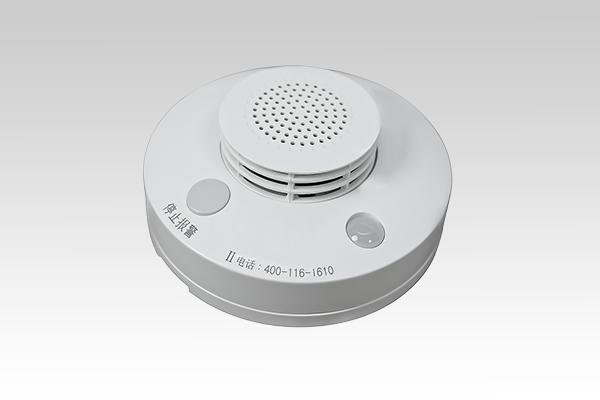
A smoke alarm detects airborne particles produced by combustion to give early warning. The mainstream photoelectric type triggers when smoke scatters an infrared beam inside a labyrinth chamber; the ionization type senses particles via a change in the current of an ionization chamber.
NB-IoT photoelectric detectors sound a local alarm and can also report to a fire-safety IoT platform in real time for remote monitoring and linkage. Understanding the principle helps integrators choose the right detection technology and placement for residential and commercial spaces.